Our Picks

Coway Airmega Mighty 2
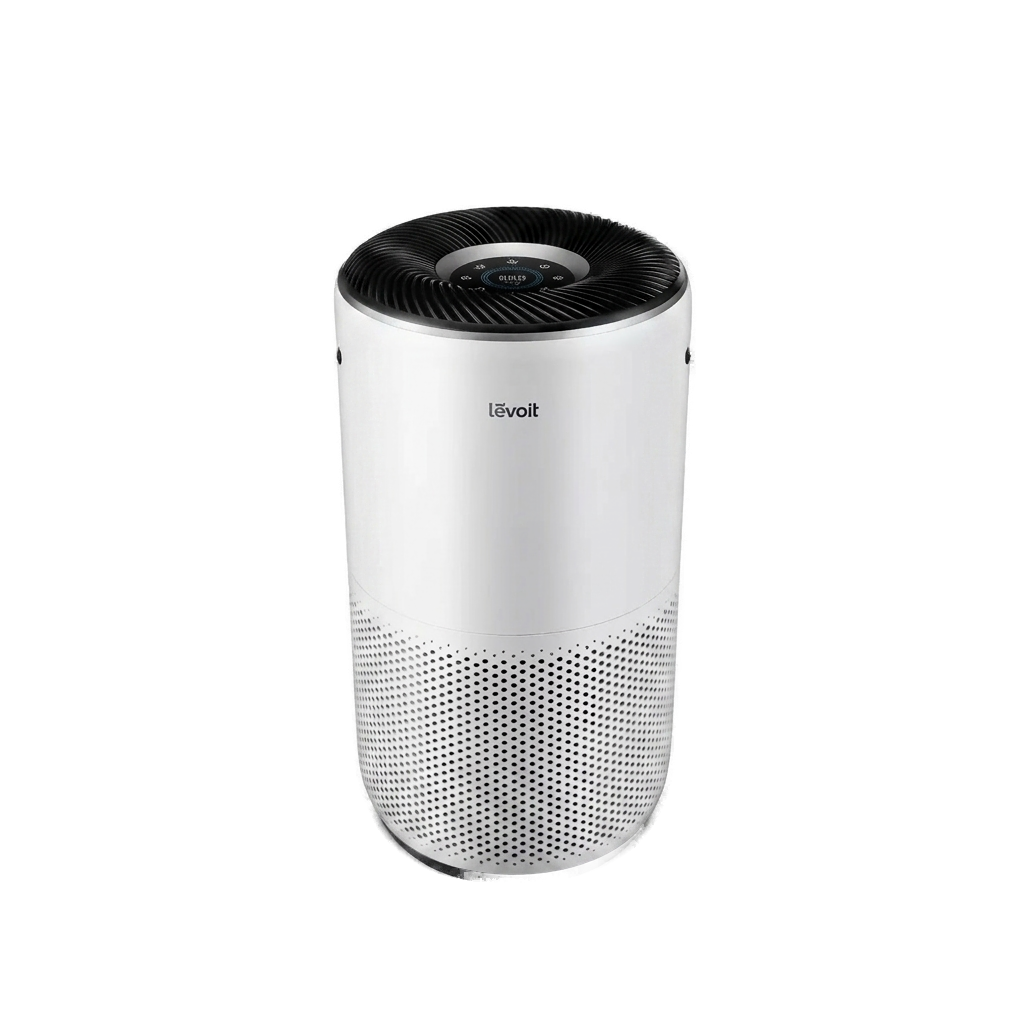
Levoit Core 400S
The Verdict: Smart Tech vs. Proven Hardware
If you just want the short answer: choose the Coway Airmega Mighty 2 if you value long-lasting filters and a highly accurate, numerical air quality display. Its 12-month filter life makes it significantly cheaper to run over a five-year period. It is our absolute top choice across the board, which you can see reflected in our comprehensive Best Air Purifiers of 2026 roundup.
However, if you rely on voice commands, want to set complex schedules from your phone, or prefer the flexibility of customized filter types (like heavy toxin or pet dander filters), the Levoit Core 400S remains an exceptional, modern alternative.
Design and Build Quality
The aesthetic approach of these two units could not be more different. The Levoit Core 400S embraces the modern, cylindrical "trash can" design that has dominated the industry in recent years. This shape allows it to pull dirty air in from a full 360 degrees around the base, meaning you can place it almost anywhere in a room—even out in the open—and it will function efficiently.
The Coway Airmega Mighty 2 retains the boxy, squarish footprint of its legendary predecessor. It pulls air from the front and pushes it out the top. While this directional intake means you cannot push it entirely flush against a wall (it needs a few inches of clearance), the build quality feels distinctly denser and heavier than the Levoit. The plastics are robust, and the access panel for the filters clicks into place with reassuring solidity.
Airflow and Filtration Performance

Coway Airmega Mighty 2
Pros
- Exceptional 12-month filter life drastically lowers costs
- MegaScan laser sensor is highly accurate
- Proven, reliable hardware design
- Numerical PM2.5 display eliminates guesswork
Cons
- No Wi-Fi or app connectivity
- Directional airflow requires careful wall placement
An air purifier is only as good as its fan and its filter. In independent airflow tests, both machines perform exceptionally well, landing within a few percentage points of each other.
The Levoit Core 400S boasts an AHAM-verified Clean Air Delivery Rate (CADR) of 260 CFM for smoke. Inside, it uses a three-stage filtration system featuring a pellet-based carbon filter—which is measurably more effective at trapping volatile organic compounds (VOCs) than basic carbon sheets—and an H13 True HEPA filter. This setup excels at capturing fine particulates and cooking odors quickly.
The Coway Airmega Mighty 2 delivers a near-identical CADR of roughly 250 CFM. While the Levoit technically moves a negligible amount more air per minute, the Coway's True HEPA filter is significantly thicker. This added density directly contributes to the Coway's impressive particle retention over time. For a deeper dive into the specific mechanics of Coway's filter geometry, read our standalone Coway Airmega Mighty 2 review.
Sensors and Smart Capabilities
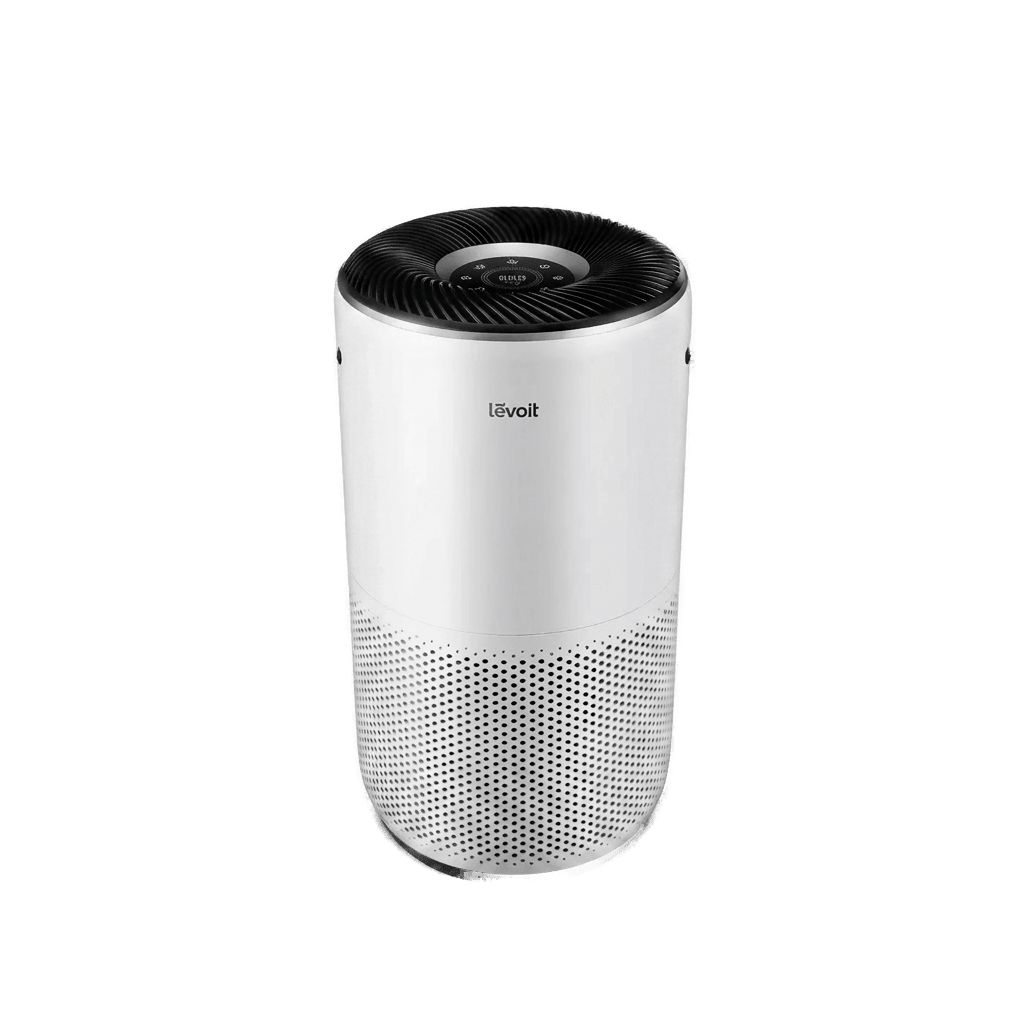
Levoit Core 400S
Pros
- Excellent VeSync app integration
- 360-degree cylindrical air intake
- Customized replacement filter options (Pet/Toxin)
- Slightly cheaper initial purchase price
Cons
- Filters require replacement every 6 to 8 months
- Higher-pitched fan whine at maximum speed
- Sensor is slightly less accurate than Coway's
This is the primary battleground between these two models. The Levoit Core 400S is fully integrated into the modern smart home ecosystem. It connects to the VeSync app, allowing you to monitor historical air quality data, set complex operating schedules, and control the unit via Amazon Alexa or Google Assistant. Its built-in "AirSight Plus" laser sensor works reasonably well to dictate Auto Mode, scaling the fan speed up when it detects particulate spikes.
The Coway Airmega Mighty 2 takes a completely offline, analog approach. There is no app, no Wi-Fi, and no voice control. Instead, Coway invested heavily in its onboard hardware. The Mighty 2 features the new "MegaScan" laser sensor, which provides an exceptionally accurate, real-time numerical PM2.5 readout directly on the top control panel. For users who want to know exactly what their air quality is at a glance—without reaching for their phone—the Coway's interface is significantly more informative and immediate.
Acoustics and Usability
Both purifiers are designed to run 24/7, meaning acoustic comfort is critical, especially if you plan to use them in a bedroom. On their lowest settings, both the Coway and the Levoit are virtually silent, registering at or below 24 decibels—essentially the ambient noise floor of a quiet room.
However, when forced to their maximum speeds to clear a room quickly after cooking or dusting, their acoustic profiles diverge. The Coway produces a smooth, rushing "white noise" sound. It is loud (hitting around 53 decibels), but the frequency is low and easily ignorable. The Levoit, on its maximum "Turbo" setting, moves a massive amount of air but emits a slightly higher-pitched whine from its motor housing. While not a dealbreaker for a lively living room, it can be distracting if running at maximum speed while you are trying to sleep.
Long-Term Cost of Ownership
The initial purchase price of an air purifier is only a fraction of its true cost. When evaluating long-term ownership over three to five years, the financial math strongly favors the Coway.
The Levoit Core 400S typically retails slightly lower than the Coway, often found hovering around $190 on sale. However, its cylindrical filters are expensive and require replacement every 6 to 8 months, depending on your local air quality. Over five years, you will easily spend double the machine's initial cost just on filters.
The Coway Mighty 2 costs slightly more upfront (usually around $220). But its thick True HEPA filter is rated for a full 12 months of continuous use, and replacement packs (which include one HEPA filter and two carbon pre-filters) are famously affordable. The reduced frequency of filter replacements makes the Coway significantly cheaper to operate, cementing its status as the superior long-term investment.
Product Comparison at a Glance
| Product | Brand | CADR (Smoke) | CADR (Dust) | Max Coverage | Filter Lifespan | Smart Features | Noise (Min/Max) | Action |
|---|---|---|---|---|---|---|---|---|
#1Coway Airmega Mighty 2 | 250 CFM | 250 CFM | 361 sq. ft. (at 4.8 ACH) | 12 Months | None | 24 dB / 53 dB | No Link | |
#2Levoit Core 400S | 260 CFM | 256 CFM | 403 sq. ft. (at 4.8 ACH) | 6-8 Months | VeSync App, Alexa, Google | 24 dB / 52 dB | No Link |