
Our Picks

Coway Airmega Mighty 2

Blueair Blue Pure 211i Max
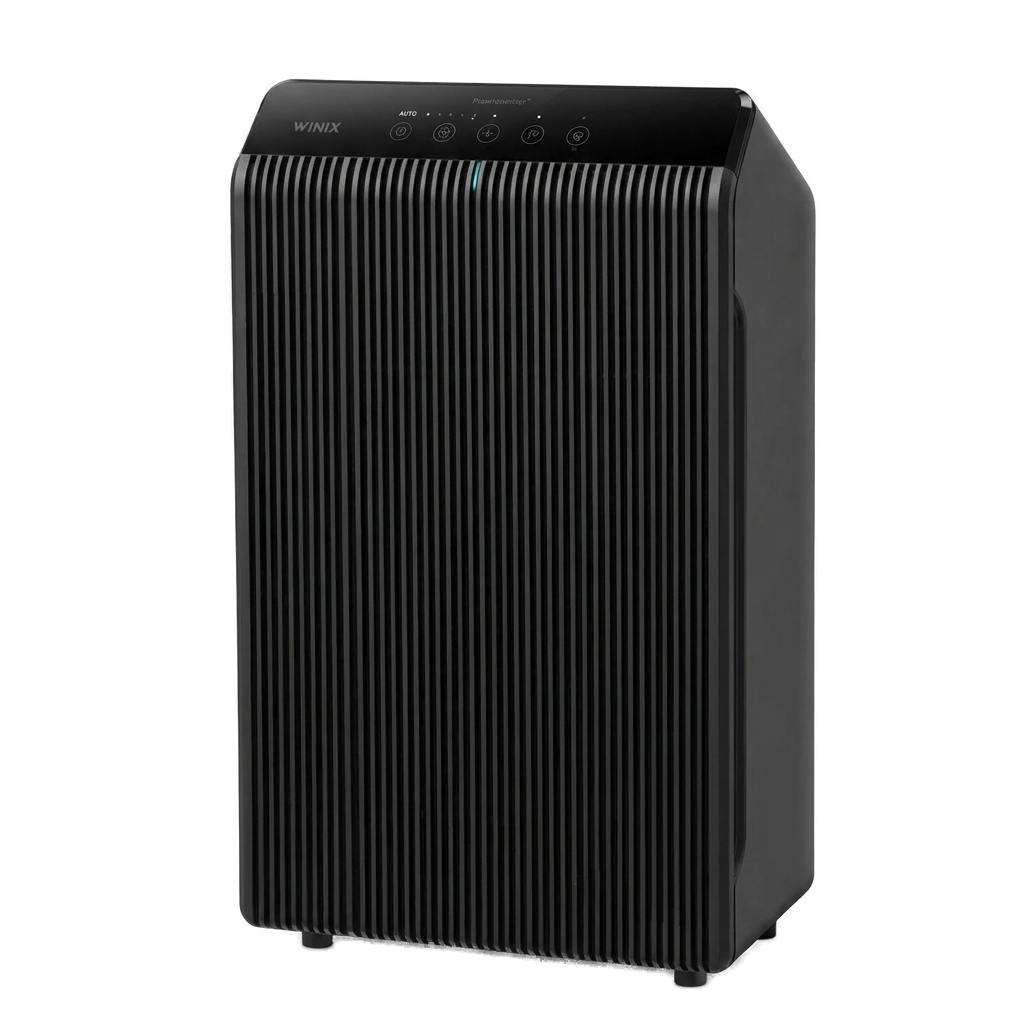
Winix 5510
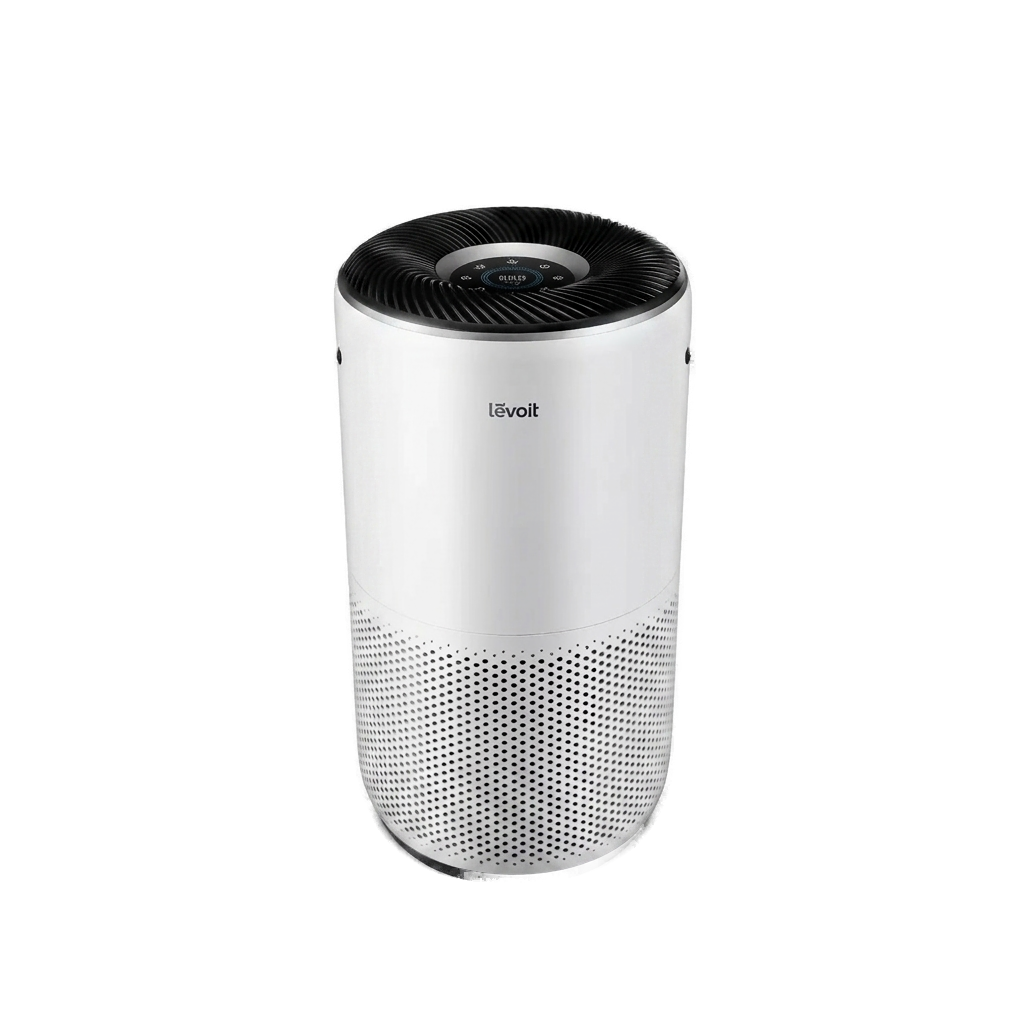
Levoit Core 400S

Coway Airmega 250S
What We Looked For
Air purifiers are fundamentally simple machines — little more than a fan and a filter. But a well-designed purifier can capture virtually all airborne allergens, bacteria, viruses, and smoke, and do it quietly and efficiently, around the clock, for years on end.
Sadly, the industry is full of bad actors, with manufacturers claiming lab reports that don’t exist and exaggerating room-size recommendations to boost sales. We analyzed independent CADR metrics, verified HEPA claims, and dug into long-term owner reliability data to separate the good units from the marketing fluff. Before a single model made the cut, it had to clear three non-negotiable bars:
Genuine HEPA filtration. We only considered units using H13-class or equivalent HEPA media. If the listing says "HEPA-type" or "HEPA-like," it didn't make the list. (For a deep dive into how brands game HEPA labels, read our companion piece: The "True HEPA" Marketing Scam.)
No ozone generation. Any purifier with a mandatory ionizer or plasma feature that generates ozone was disqualified. If ionization is optional and can be turned off (like Winix's PlasmaWave), it remained eligible.
Honest value over time. A $60 purifier with $80/year filter replacements isn't a deal. We factored in the 5-year total cost of ownership to find machines that stay affordable after the honeymoon period.
Coway Airmega Mighty 2 — Best for Bedrooms & Medium Rooms

Coway Airmega Mighty 2
Pros
- 12-month filter lifespan drastically reduces long-term maintenance costs
- New MegaScan laser sensor is incredibly fast and accurate
- Matte finish stays clean and doesn't attract pet hair
Cons
- No mobile app or smart home integration
- Upfront cost is higher than the original Mighty
For years, the original Coway Mighty was the undisputed king of bedroom air purifiers. The newly released Airmega Mighty 2 takes everything that made the original great and materially improves on it. It’s quieter, more energy-efficient, and easier to maintain than its predecessor.
Coway completely overhauled the filtration system. By combining the True HEPA and carbon filters into a single block, the new filter is rated to last a full 12 months. While the Mighty 2 costs more upfront, the massive filter lifespan means it pays for the upgrade within the first year of ownership. The performance data backs up the price tag: independent metrics show it consistently clearing heavy smoke and particulate pollution in medium rooms with exceptional speed.
It also features a sharp new matte finish that refuses to attract pet hair, and a highly accurate MegaScan laser sensor that detects pollution instantly. It lacks smart app features, but if the goal is a reliable, tank-like appliance that runs on Auto mode for a year straight without fuss, this is the safest money you can spend.
For a deeper look at our top pick, read the Coway Airmega Mighty 2 review.
Blueair Blue Pure 211i Max — Best for Large Rooms & Open Floor Plans

Blueair Blue Pure 211i Max
Pros
- 435 CFM smoke CADR — almost double the Coway Mighty's output
- Cleans a 674 sq ft room in about 12 minutes
- Quiet at high speeds thanks to HEPASilent's lower air resistance
Cons
- HEPASilent uses electrostatic charge, which some purists don't trust long-term
- App connectivity can be finicky according to user reports
When the goal is clearing a massive space — like an open-concept living room or a high-ceilinged studio — standard bedroom purifiers simply cannot keep up. The Blueair Blue Pure 211i Max is built specifically for this scale, pushing a massive 435 CFM smoke CADR.
Blueair relies on its proprietary HEPASilent technology, a hybrid approach combining mechanical filtration with an electrostatic charge. This allows the machine to move a massive volume of air through the filter with much less resistance than a purely mechanical setup. The direct result is significantly lower noise at high speeds. Independent airflow tests consistently show it clearing 600-square-foot spaces in under 15 minutes. In spite of that raw power, it remains incredibly energy-efficient, drawing just 41 watts on its highest setting.
The 211i Max also excels in livability. The digital display provides real-time particulate levels (PM1, PM2.5, and PM10), and the accompanying app allows for precise scheduling. You can completely shut off the display for dark rooms, and the washable fabric pre-filter — available in multiple natural colors — keeps it looking like a modern piece of furniture rather than medical equipment.
Winix 5510 — Best Value All-Rounder

Winix 5510
Pros
- 4-stage filtration with washable pre-filter and washable carbon — lowest ongoing cost
- PlasmaWave ionizer is CARB-certified safe and can be turned off
- Successor to the legendary 5500-2 with added Wi-Fi
Cons
- Filters are ~30% smaller than predecessor due to more compact design
- CADR of 253 CFM limits it to medium rooms
The Winix 5510 is the direct successor to the beloved 5500-2, carrying forward the proven 4-stage filtration that made the original a cult favorite while adding a more compact footprint and Wi-Fi capability. If the goal is maximum filtration per dollar without paying a premium for a luxury brand name, this is the definitive choice.
The filtration stack is exceptionally thorough: a washable mesh pre-filter, a pellet-based activated carbon filter for odors and light VOCs, a True HEPA filter, and Winix's PlasmaWave technology. Crucially, PlasmaWave is CARB-certified as safe and designed specifically to avoid harmful ozone production, and you can disable it entirely if you prefer purely mechanical filtration.
At 253 CFM, it is sized perfectly for bedrooms and medium living spaces. The washable pre-filter and washable AOC carbon filter drastically reduce ongoing maintenance costs — you only need to replace the HEPA filter when the time comes. It lacks the sheer power of the Blueair, but for everyday particulate control, it offers unbeatable value.
Levoit Core 400S — Best Smart Purifier on a Budget
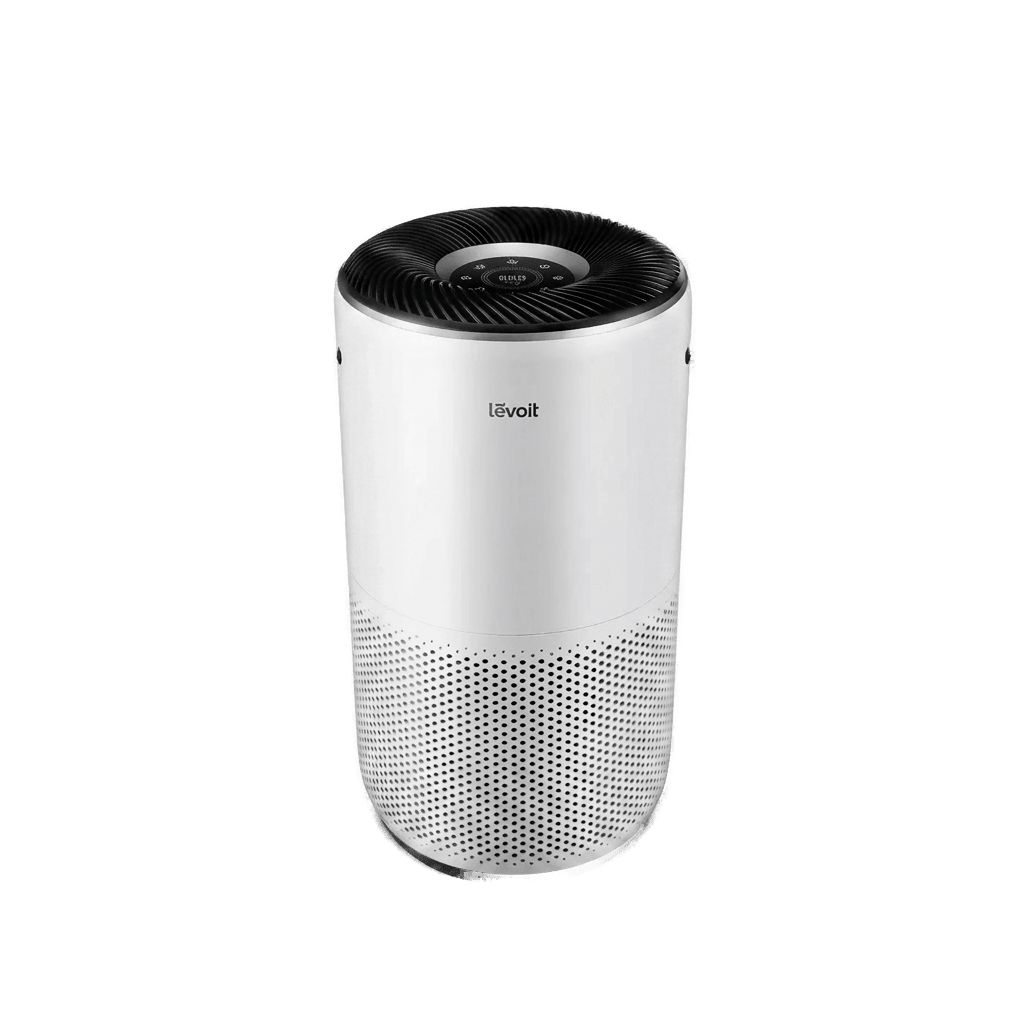
Levoit Core 400S
Pros
- H13 HEPA with pellet-based carbon — not the cheap impregnated sheets
- Full smart suite: VeSync app, Alexa, Google, real-time PM2.5 sensor
- Under $200 most of the time with frequent Amazon discounts
Cons
- Build quality feels lighter and more plastic than Coway competitors
- Fan noise at max speed is noticeable (52-60 dB)
Levoit dominates the bestseller charts for a reason, and the Core 400S represents the absolute sweet spot in their lineup. It is powerful enough for a proper room, packed with smart home integrations, and consistently priced below the $200 mark.
Unlike cheaper budget models that use thin, impregnated carbon sheets, the Core 400S uses a genuine H13 HEPA filter paired with a pellet-based activated carbon filter. This makes a massive difference in actually soaking up household odors and light VOCs. The built-in AirSight Plus laser dust sensor provides highly accurate, real-time PM2.5 readings that drive a genuinely responsive auto-mode. Combined with the VeSync app and Alexa/Google voice control, it offers a complete smart-home package.
The primary trade-off for the lower price point is the build quality. The Levoit is lighter and features a more plastic-heavy construction than the heavier Coway models, and the fan noise at maximum speed is noticeably louder. However, for sheer smart functionality and filtration efficiency per dollar, it is an outstanding budget choice.
Coway Airmega 250S — Best for Large Rooms With Smart Features

Coway Airmega 250S
Pros
- 930 sq ft coverage bridges the gap between bedroom units and $500+ flagships
- IoCare+ app with real-time monitoring, scheduling, and eco mode
- Washable pre-filter extends main filter life significantly
Cons
- Max2 combined filter means you replace HEPA and carbon together — no separate replacement
- Pricier than comparable CADR competitors (249 CFM vs Winix's 253 CFM)
There is an awkward middle ground in the air purifier market: when a standard bedroom unit isn't quite powerful enough, but dropping $500 on a massive flagship model feels like overkill. The Coway Airmega 250S is engineered specifically to bridge that gap, offering exceptional build quality and a 930-square-foot coverage area.
The 250S utilizes Coway's Max2 filter, which combines True HEPA and activated carbon into a single, high-capacity cartridge. While this means replacing both stages simultaneously, the washable pre-filter catches pet hair and heavy dust before they reach the main media, extending the life of the expensive filter significantly.
The "S" designation means it includes Coway's IoCare+ app, granting access to real-time air quality monitoring, filter tracking, and scheduling. It also features an eco mode that completely shuts down the fan when the air remains clean for 30 minutes — a brilliant feature for guest rooms or spaces with intermittent traffic. It carries a premium price tag, but the combination of raw coverage and smart efficiency makes it a stellar mid-range investment.
The Bottom Line
Every single unit on this list uses genuine HEPA filtration. None of them produce harmful ozone. All of them have verified CADR ratings from AHAM.
If you want to understand why these distinctions matter — and how some of the biggest brands on Amazon get away with selling inferior filters at premium prices — read our investigative companion piece: The "True HEPA" Marketing Scam: What Air Purifier Brands Pray You Never Google.
Product Comparison at a Glance
| Product | Brand | Best For | CADR | Coverage | Price Range | Action |
|---|---|---|---|---|---|---|
#1Coway Airmega Mighty 2 | Coway | Bedrooms | 240 CFM | Up to 400 sq ft | $250–270 | |
#2Blueair Blue Pure 211i Max | Blueair | Large Rooms | 435 CFM | ~674 sq ft | $299–350 | |
#3Winix 5510 | Winix | Best Value | 253 CFM | ~392 sq ft | $179–250 | |
#4Levoit Core 400S | Levoit | Budget Smart | 240 CFM | ~403 sq ft | $180–220 | |
#5Coway Airmega 250S | Coway | Mid-Range Large | 249 CFM | ~930 sq ft | $300–450 |