
Our Picks

California Design Den Cotton Percale Sheet Set
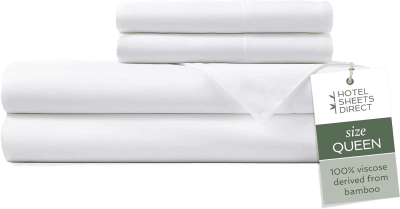
Hotel Sheets Direct Viscose from Bamboo Sheet Set

DAPU French Flax Linen Sheet Set
Introduction
Bamboo, percale, and linen are the three fabrics most people weigh when they want better sheets, and they differ in four ways that matter: how they feel, how cool they sleep, how long they last, and how much care they need. None is best at everything. The silkiest one is not the most durable, and the most durable one is not the smoothest.
This guide matches each fabric to the kind of sleeper it suits, using what textile specialists and long-term owners actually report, then names one well-reviewed Amazon pick per fabric. The short version: percale for hot sleepers who like a crisp, cool bed, bamboo for anyone chasing softness, and linen for breathability that lasts for years.
What Each Fabric Actually Is
Two of these terms get mixed up constantly, so it helps to be precise.
Percale is a weave, not a material. It is almost always cotton, woven in a simple one-over-one-under grid that gives it a matte look, a crisp hand, and good airflow. The quality comes from the cotton: long-staple types such as Supima, Pima, or Egyptian make a smoother, stronger sheet.
Linen is a fiber, spun from the flax plant. It has a textured, slightly slubby surface, breathes better than the other two, and softens the more it is washed.
Bamboo sheets are almost never raw bamboo. The plant is processed into a fiber called viscose, also labeled rayon, which is what gives the sheets their silky drape. U.S. labels say viscose from bamboo or rayon from bamboo for that reason, and a tag reading simply "100% bamboo" is usually a sign of a lower-quality or mislabeled set. A cleaner, pricier variant called lyocell holds up a little better than standard viscose.
Which Sleeper Should Pick Which
The fastest way to choose is to start with how you sleep, not which fabric sounds best.
If you run hot: all three beat a polyester blend, but percale and linen lead. Brooklinen's director of design, Katie Elks, names cotton percale and linen as the two best fabrics for hot sleepers, with linen the more breathable of the pair thanks to its loose weave and natural moisture-wicking. Riley Home's Corey Sullivan makes the same point about structure: open weaves like percale let more air through and trap less heat.
If you run hot and sweat heavily: bamboo viscose is worth a look. Deborah Young, a textile professor, notes that bamboo is more absorbent than cotton and naturally resists the bacteria that cause odor, so it pulls sweat off the skin quickly. Just know that it reads as smooth and breathable rather than ice-cold.
If you want the softest possible bed: bamboo wins on feel. It is silkier and more fluid than cotton or linen and needs no break-in period.
If you want a crisp, cool, hotel feel: percale is the one. It has the snap of a freshly pressed hotel sheet, and it is the easiest of the three to find in a durable, affordable version.
If you have sensitive skin or allergies: linen is the safest bet. Flax is naturally hypoallergenic and resists dust mites and mold, and a stone-washed set avoids the scratchiness people fear.
If you hate ironing: bamboo is the lowest-maintenance, since it resists wrinkles. Percale wrinkles moderately; linen wrinkles the most by design.
If two people share the bed and disagree on temperature: linen is the most forgiving, because it regulates across seasons, staying cool in summer without feeling cold in winter.
How Long Each One Lasts
If longevity is the priority, the order is clear, and it tracks with the fiber.
Linen lasts the longest, commonly 5 to 10 years and often well beyond that for heavier sets, because flax is among the strongest natural fibers and softens rather than degrades as it ages. Good linen is frequently handed down. The weak point is cheap, ultra-thin linen, which feels lovely at first and then develops holes faster than a sturdier weave.
Cotton percale is close behind, at roughly 5 to 10 years when it is made from long-staple cotton and washed gently. It softens with use without the weave falling apart. Short-staple or poly-blend percale is the version that pills and thins early.
Bamboo viscose is the shortest-lived of the three. Viscose is weaker when wet, which is every wash, and owners of budget bamboo sets routinely describe them going furry, pilling, or balling up within a year or two. A shopper weighing bamboo against cotton on a deals forum asked exactly this, whether the sheets pull or ball up as they age, and for cheap viscose, many do. Better-made bamboo lasts longer, and a few brands cover it with a warranty, but as a material it does not match cotton or linen for raw lifespan.
How to Tell Quality From Marketing
Most of what drives sheet prices is marketing, not quality. Three checks cut through it.
Thread count: ignore the arms race. Textile experts put the useful range at 200 to 400 for cotton; a 400-count sheet in long-staple cotton such as Pima, Supima, or Egyptian will outlast and out-soften a 1,000-count sheet made from cheap short-staple fiber. Counts advertised above roughly 400 are usually inflated by counting the individual plies in twisted yarns rather than weaving a denser cloth.
Bamboo labeling: read the fiber line, not the headline. Nearly all bamboo sheets are viscose, and U.S. law reflects that. In 2022 the Federal Trade Commission sought multimillion-dollar penalties from Kohl's and Walmart for advertising rayon as "bamboo" without disclosure, and the rule is simple: a legitimate set is labeled "viscose (or rayon) from bamboo." A tag that just says "100% bamboo," or a "luxury" set that turns out to be a bamboo-polyester blend, is the warning sign.
Linen weight: linen is graded in grams per square meter, not thread count. Around 150 GSM is light and airy but thins faster; 170 to 200 GSM is the durable, year-round range. Wording like "European flax," or flax from France, Belgium, or Lithuania, points to the longer, stronger fibers that age well.
Finally, certifications do some of the vetting for you. OEKO-TEX Standard 100 means the fabric was tested for harmful chemicals, GOTS certifies organic cotton, and the Good Housekeeping Seal adds an independent durability check. All three of our picks carry at least one.
California Design Den Cotton Percale — Best for Crisp, Cool Sleep

California Design Den Cotton Percale Sheet Set
Pros
- 100% long-staple cotton in a true percale weave, which gives the crisp, cool, breathable feel hot sleepers want
- 300 thread count, inside the 200-to-400 range textile experts recommend
- GOTS-certified and carries the Good Housekeeping Seal, so durability is independently verified
- Cheapest of the three to buy and replace, and softens with every wash
Cons
- Wrinkles out of the dryer; needs ironing for a pressed look
- Feels crisp and structured for the first week before it softens
- Narrower color and pattern range than the bamboo or linen sets
- Can shrink slightly on a hot wash if you skip the cold-water instructions
Percale is the crisp, cool, hotel-style sheet, and California Design Den makes a well-built version for the price of a cheap one. It is 100% long-staple cotton in a plain weave, so it breathes well and feels light and matte rather than slick.
Why Percale Sleeps Cool
Brooklinen's design director, Katie Elks, names cotton percale one of the two best fabrics for people who run hot, and owners back that up, describing it as cool all night and crisper after each wash. It is GOTS-certified and carries the Good Housekeeping Seal, and the brand rates its cotton for 5 to 10 years, which matches how long-staple percale generally holds up.
Wrinkles and Break-In
The trade-off is the one every cotton percale shares: it comes out of the dryer wrinkled and feels a little stiff for the first week before it relaxes. Pick it if you sleep hot, want a no-fuss everyday set, and would rather spend less and replace rarely than chase silky softness.
Is 300 Thread Count Enough?
One detail worth knowing: at 300 thread count this set sits right in the 200-to-400 range textile experts call the sweet spot, dense enough to feel substantial but still open enough to breathe. Counts advertised far above that are usually inflated by counting plied yarns rather than weaving a better fabric, so do not read a bigger number on a pricier set as an upgrade. Skip this one only if you want a sheet that feels buttery from the very first night, since percale trades that initial plushness for a cool, crisp hand that rewards you over the first few washes.
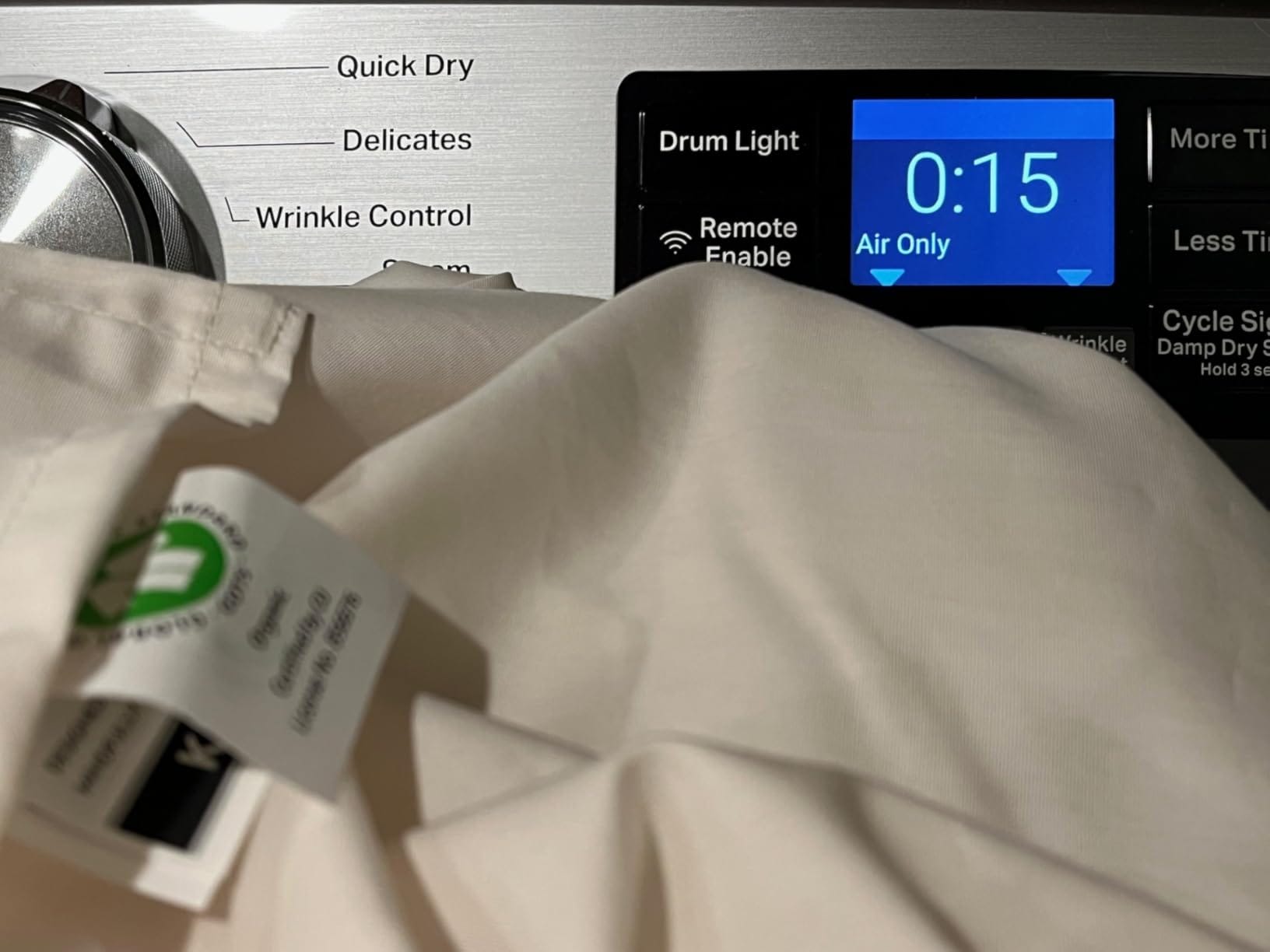
Close-up of the crisp one-over-one-under percale weave
Hotel Sheets Direct Bamboo Viscose — Best for Softness
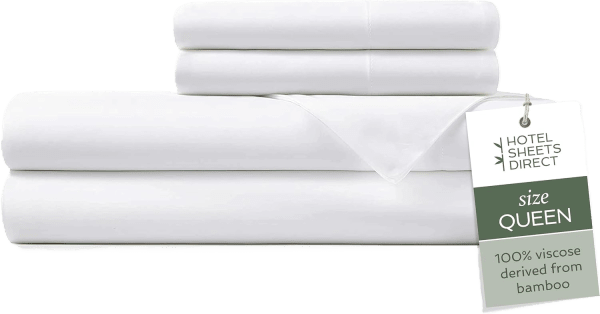
Hotel Sheets Direct Viscose from Bamboo Sheet Set
Pros
- Among the softest, silkiest sheets at this price, with a smooth sateen drape and faint sheen
- One of the most-reviewed bamboo sets on Amazon, around 28,000 ratings at about 4.5 stars
- OEKO-TEX Standard 100 certified and correctly labeled 100% viscose from bamboo, not a poly blend
- Wicks sweat and breathes well, at a fraction of the price of premium bamboo brands
Cons
- Viscose is the weakest of the three fibers when wet, so it can pill or thin within a few years
- Smooth and breathable rather than cold to the touch, despite the cooling marketing
- Deep pockets fit mattresses up to 15 inches, shallower than some premium sets
- Like all viscose, it clings to pet hair and needs gentle, cool washing to last
Bamboo viscose is the fabric to pick for softness, and Hotel Sheets Direct delivers that silky feel without the premium price. It is a true 100% viscose-from-bamboo set in a 300-thread-count sateen weave, so it is smooth and fluid with a faint sheen, and it wicks sweat well, which is why hot sleepers who also perspire tend to like it.
Silky Softness for Less
It is one of the most-reviewed bamboo sets on Amazon, with roughly 28,000 ratings near 4.5 stars, and it is OEKO-TEX Standard 100 certified rather than the bamboo-polyester blend that some cheaper 'luxury' sets quietly use. That matters, because a blend loses much of the natural cooling and drape you are paying bamboo for.
Does Bamboo Viscose Pill?
The honest catch is the one every viscose shares: bamboo is the weakest of these three fibers when wet, so even well-made sets can pill or thin over a few years. Owners and Reddit threads agree the fix is gentle care, washing cold and tumbling low. Buy it if a soft, silky feel and a low price matter more than maximum lifespan.
Viscose vs. Lyocell
If you want this fabric to last longer, the label wording is the thing to read. Almost all bamboo sheets are viscose, made by dissolving the plant in sodium hydroxide and carbon disulfide, and viscose is the weakest of these fibers when wet. A pricier cousin, bamboo lyocell (often sold as Tencel), is spun in a closed-loop process that recovers most of its solvent and produces a stronger, more pill-resistant fiber. Hotel Sheets Direct is standard viscose, which is why it is affordable and why gentle washing matters; if maximum durability is your goal, a lyocell set is the upgrade to weigh.
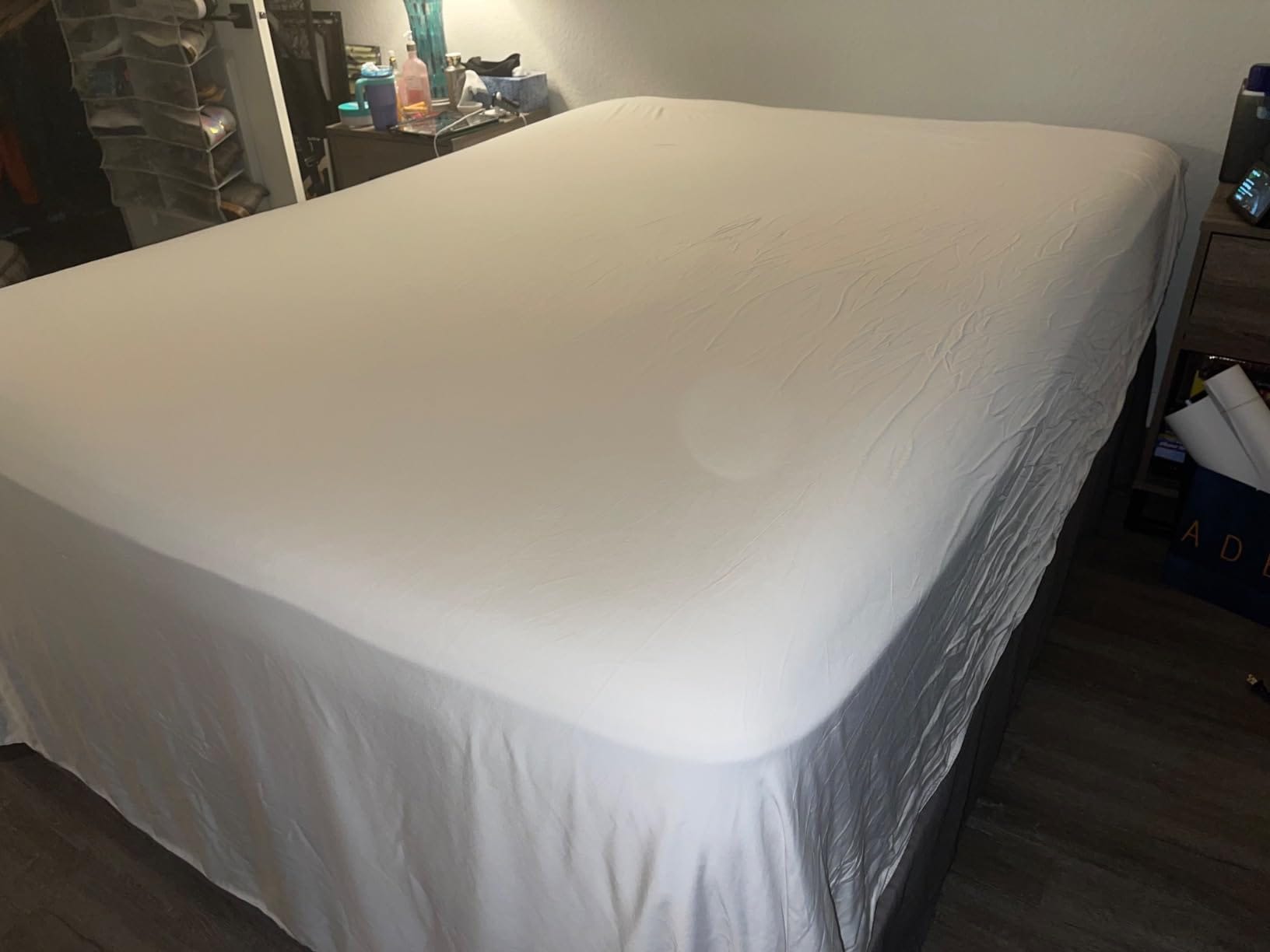
The fluid drape and light sheen of Hotel Sheets Direct bamboo viscose
DAPU French Flax Linen — Best for Breathability & Longevity

DAPU French Flax Linen Sheet Set
Pros
- 100% French flax from Normandy, one of the strongest natural fibers, at a sturdy 170 GSM mid-weight
- Arrives stone-washed and soft, skipping linen's stiff break-in
- Most breathable and seasonless of the three; naturally resists dust mites, good for allergies
- OEKO-TEX Standard 100 certified, and far cheaper than boutique linen brands
Cons
- Sheds some lint in the first few washes
- Wrinkles heavily by nature; the rumpled look is the aesthetic
- Slubby texture never feels as slick as cotton or bamboo
- Heavier flax takes longer to air-dry than thin, gauzy linen
Linen is the choice for breathability and longevity, and DAPU sells a genuine French-flax set that arrives soft instead of stiff. The flax is grown in Normandy and woven at a sturdy 170 GSM, the mid-weight end that resists wear and lasts for years rather than the gauzy linen that thins early.
Breathable and Seasonless
It is the most breathable of the three and seasonless, cool in summer and warm in winter, which is why hot sleepers and people with sensitive skin or allergies gravitate to it, since flax naturally resists dust mites. Because it is stone-washed, it skips the rough break-in that puts people off linen, and it keeps softening with every wash. It is OEKO-TEX Standard 100 certified, and HGTV's testers called it comfortable and a great value.
Texture and Upkeep
The catch is texture and upkeep: linen is slubby rather than slick, sheds a little lint in the first few washes, and wrinkles freely. Choose it if you want a relaxed, lived-in bed that lasts for years and you either like the rumpled look or simply do not mind it.
Why 170 GSM Matters
Weight is the spec that matters most with linen, and it is measured in grams per square meter rather than thread count. Gauzy sheets around 120 to 150 GSM feel airy but thin out and tear sooner; this set's 170 GSM sits in the durable mid-range that takes years of washing without going sheer. Flax also softens instead of wearing out, so unlike cotton or bamboo it tends to feel better the longer you own it. The honest reason to skip it is upkeep: if a crisp, pressed, wrinkle-free bed is non-negotiable, linen will frustrate you.
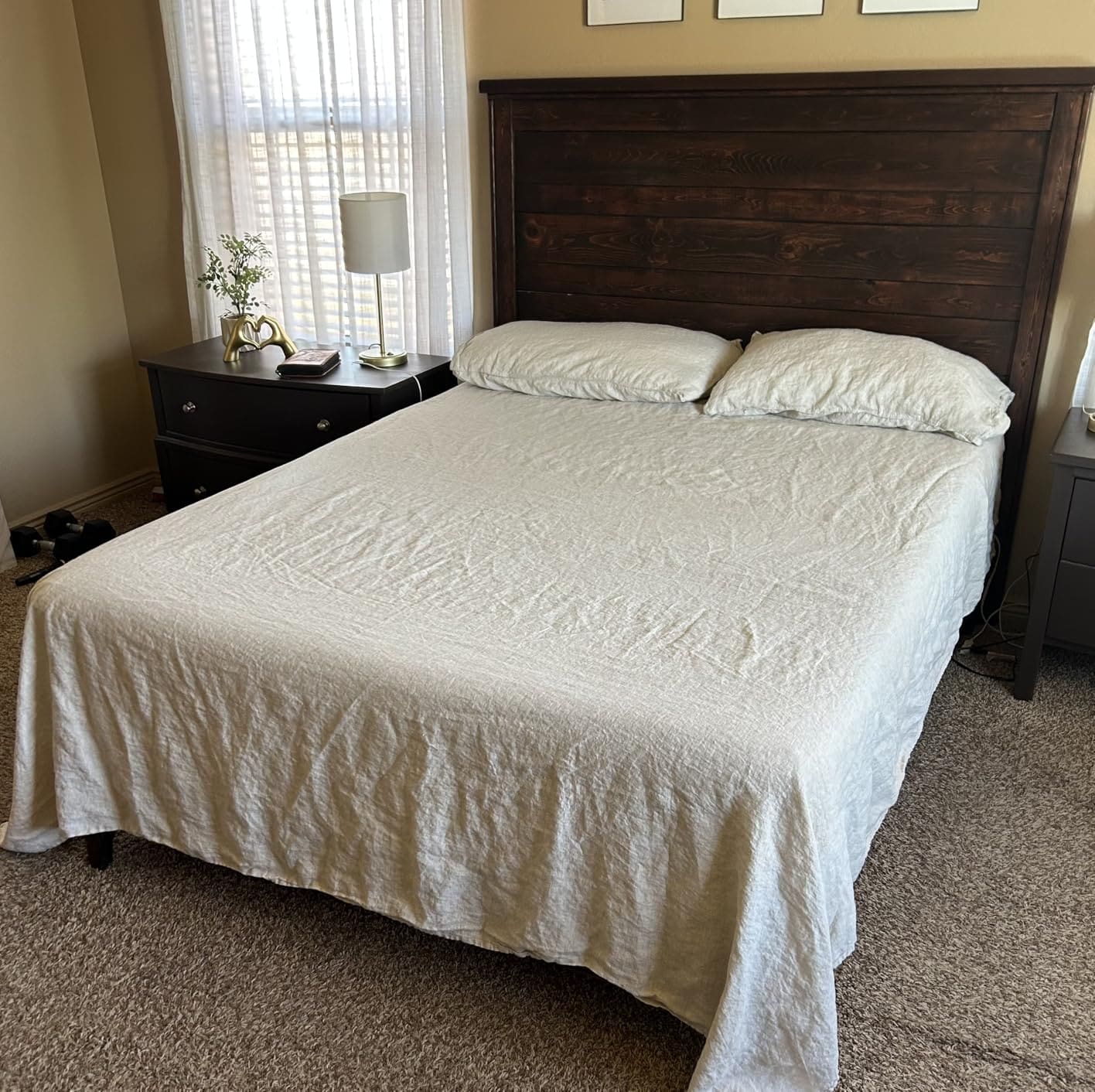
DAPU flax sheets styled on a bed with a lived-in look
Care That Extends Their Life
Three habits keep any of these alive longer. Wash in cold or lukewarm water on a gentle cycle, since hot water breaks fibers down fastest. Skip fabric softener and bleach: softener coats the fibers and stops linen from softening, and bleach weakens all three. And if you can, rotate two sets so each is washed half as often, which extends the life of both.
A few fabric-specific habits help too. Dry on low heat and pull the sheets out while they are still slightly damp, since high heat is what sets wrinkles and weakens fibers over time; line drying is gentler still. Wash bamboo viscose on its own, never with towels, whose lint and abrasion speed up pilling. New linen softens faster with a half-cup of white vinegar in the first few washes, with no need for fabric softener. And always wash any new set before its first use, which rinses off factory finishing agents and starts the gradual softening that all three fabrics reward.
The Bottom Line
Pick by how you sleep. Hot sleepers who like a crisp, cool bed and want to spend the least should get the California Design Den percale. Anyone whose top priority is softness should take the Hotel Sheets Direct bamboo, washing it gently to offset viscose's tendency to wear faster. And if you want the most breathable set that will still be on your bed in years, the DAPU French linen is the one, as long as you are at peace with wrinkles.
Across all three, fiber quality matters more than thread count, and gentle washing matters more than either. Buy the fabric that fits your sleep, and a good set pays for itself against the cheap ones you would otherwise keep replacing.
Product Comparison at a Glance
| Product | Brand | Fabric | Feel | Temperature | Lifespan (with care) | Best For | Action |
|---|---|---|---|---|---|---|---|
#1California Design Den Cotton Percale Sheet Set | California Design Den | Cotton (percale) | Crisp, cool, matte | Coolest, most airflow | 5-10 years | Hot sleepers who like crisp | |
#2Hotel Sheets Direct Viscose from Bamboo Sheet Set | Hotel Sheets Direct | Bamboo viscose | Silky, smooth, light sheen | Smooth & breathable (not cold) | 2-4 years with gentle care | Softness on a budget | |
#3DAPU French Flax Linen Sheet Set | DAPU | Linen (flax) | Textured, relaxed, slubby | Season-flexible, best wicking | 10+ years | Sensitive skin & long life |